Students & Alumni — Children's Book Illustration
Lisa Sheehan
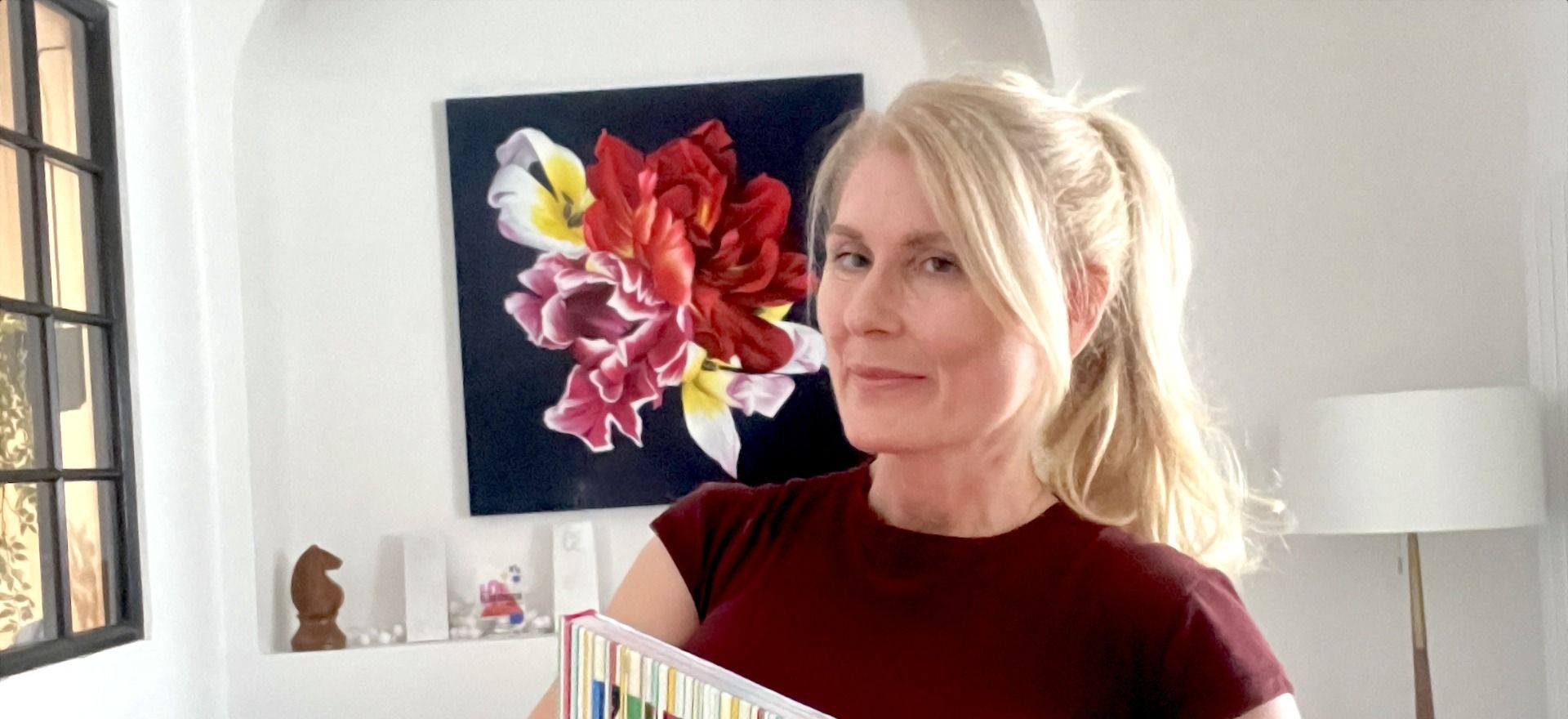
Tell us about how our MA course helped with your career change
I was actually art directing full time at The Financial Times when I took the course, so I did it part time and carried on working. After graduating, I continued with my job but also made some children’s books. I had Lionel and the Lion’s Share published by Nosy Crow, Just Being Ted by Michael O’Mara Books, and a couple of smaller things for a French publisher, which I was really excited about.
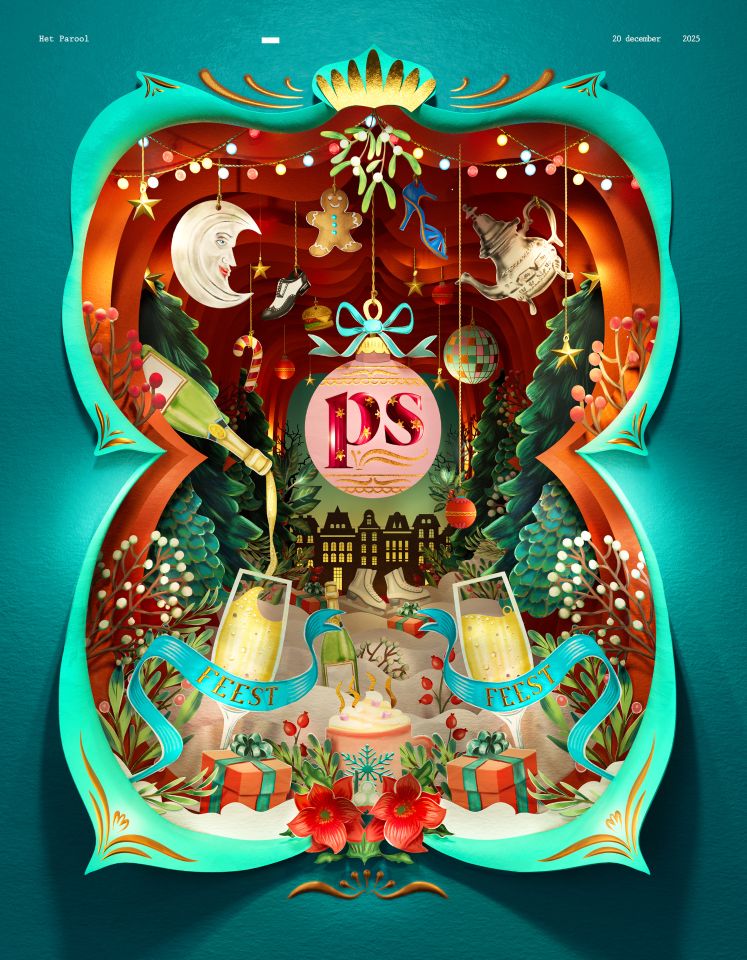
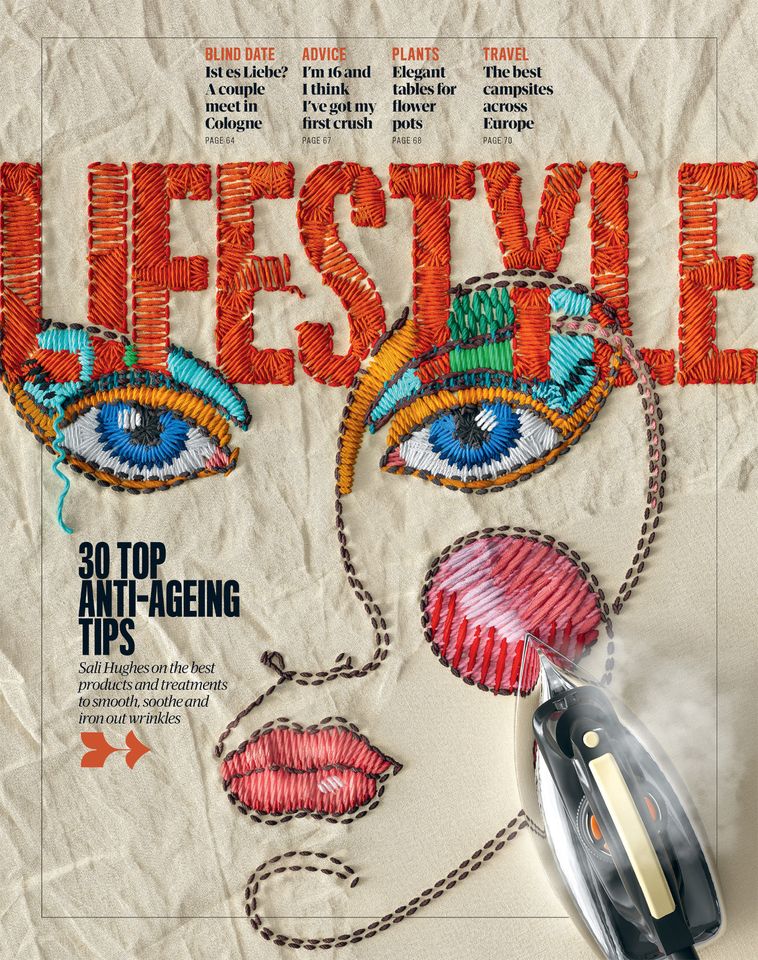
But I found it all quite hard to do with my full-time job. I tried doing both for a good while, but then I was made redundant during COVID. It turned out to be the best thing ever. I'd been there 20 years, and now I could finally do what I liked - and as I commissioned magazine covers and had contacts from my current employer, I thought I could have a go at making them myself.
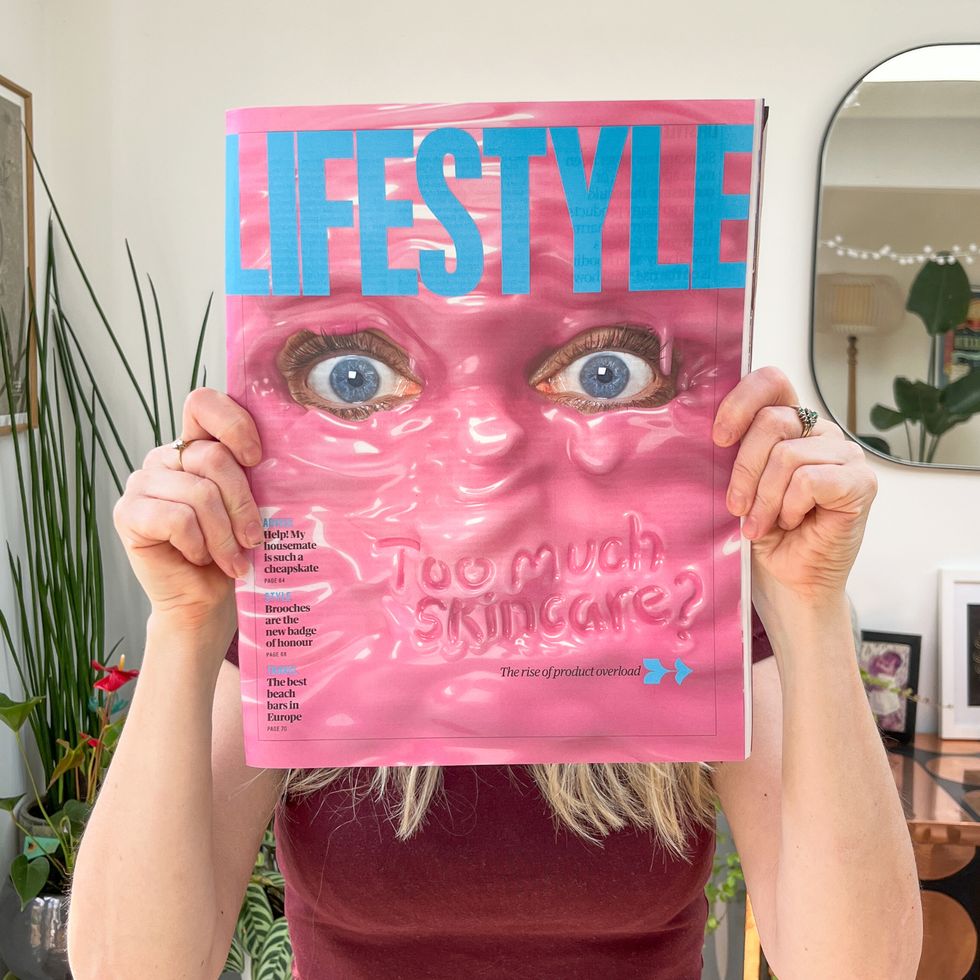
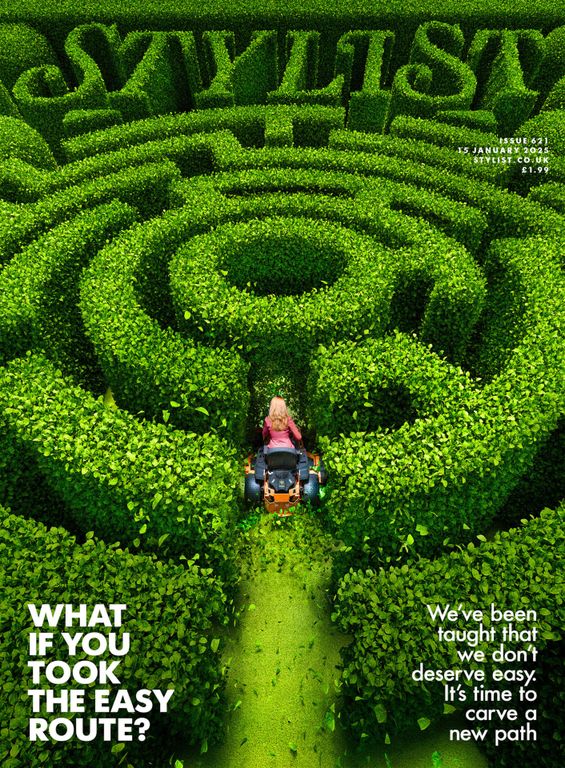
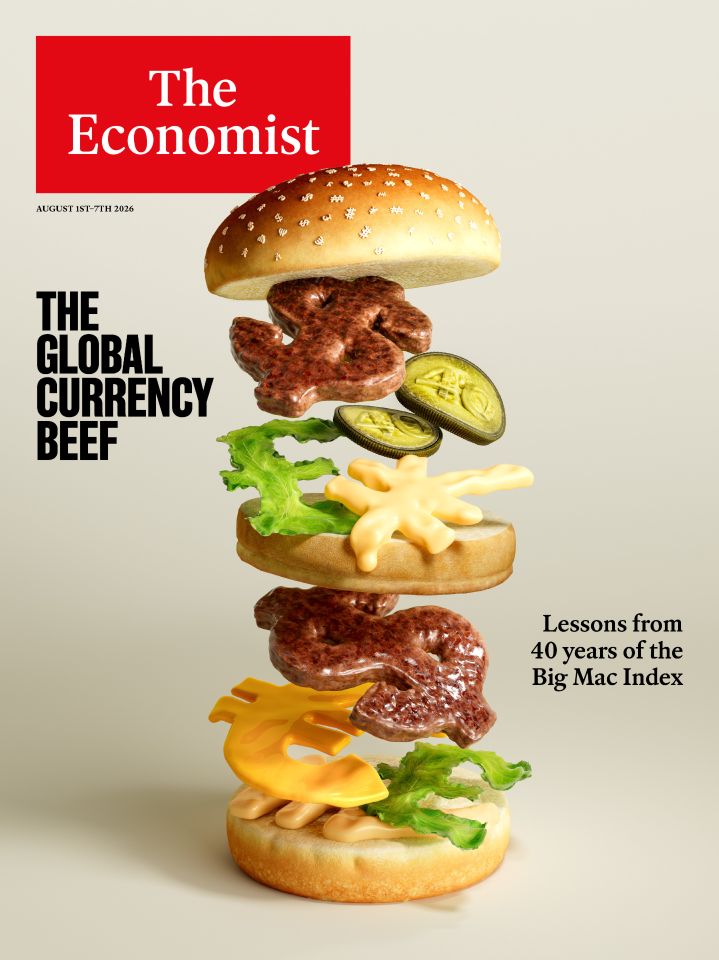
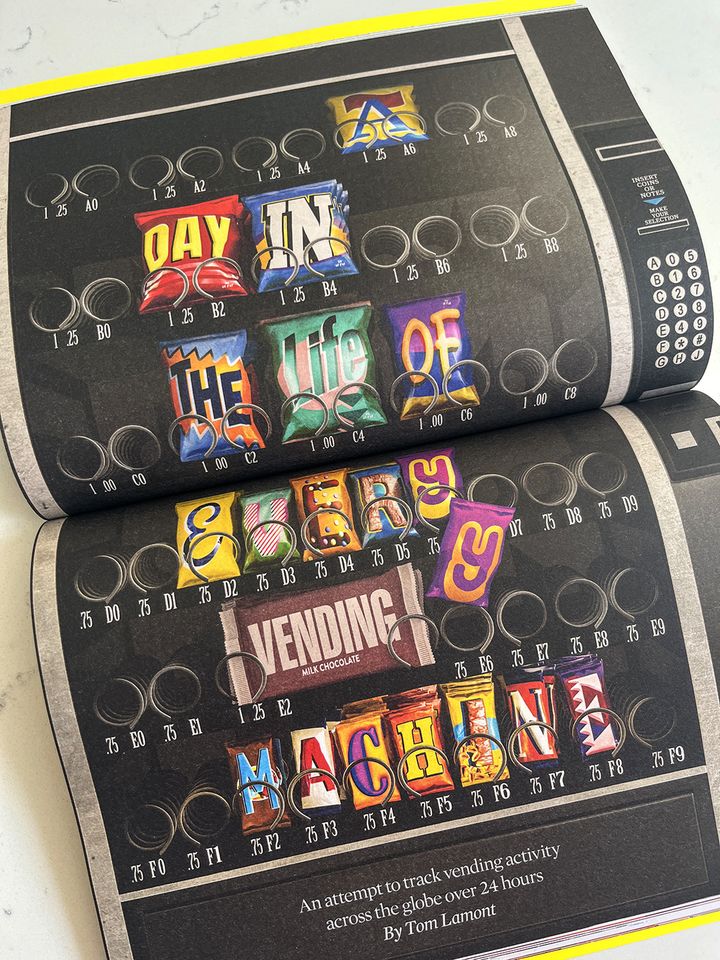
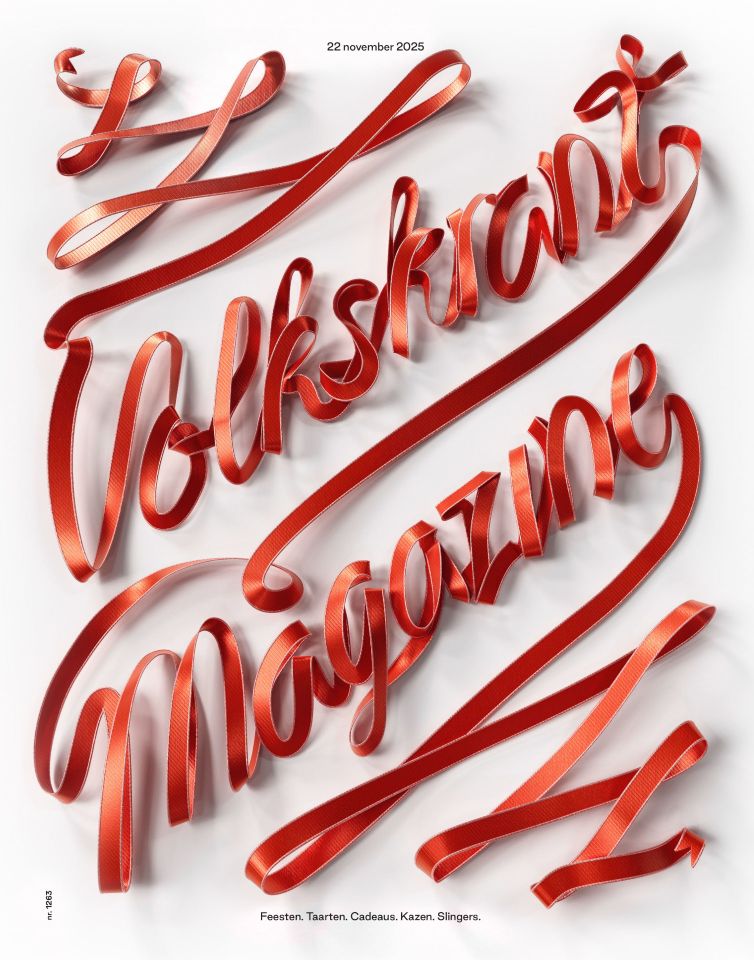
So, I switched from being an art director to creating images for magazine covers. I would have done kids’ books, but I’d also got a divorce at the same time so I needed more reliable money, and I’ve followed the editorial illustration path ever since.
And you’ve gone on to win a World Illustration Award as well. How did that feel?
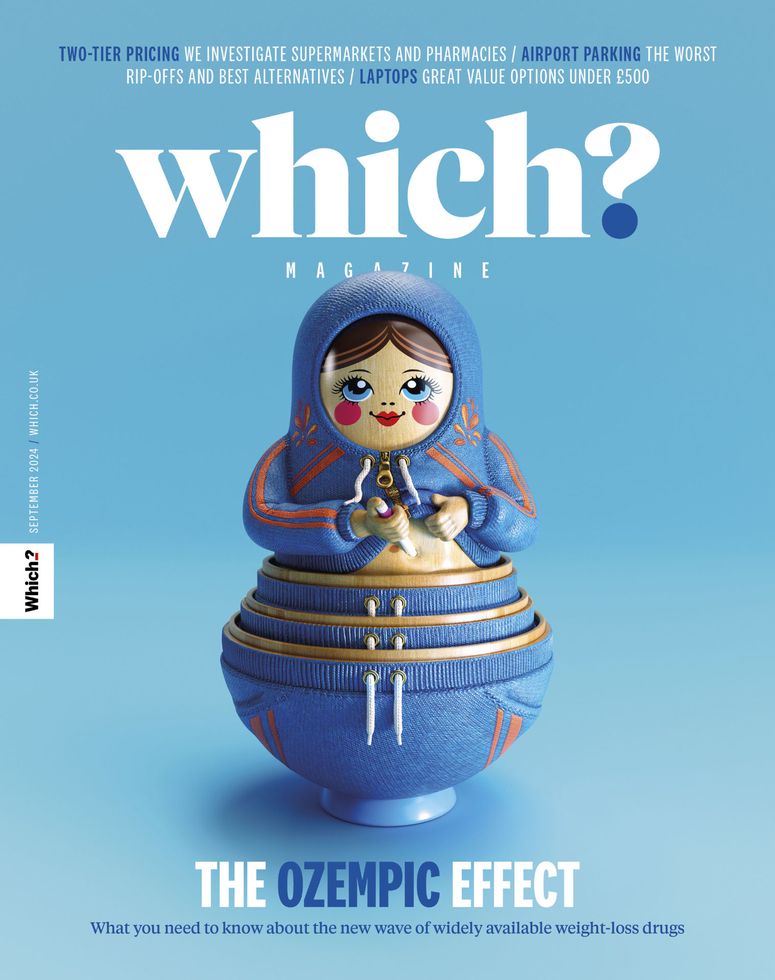
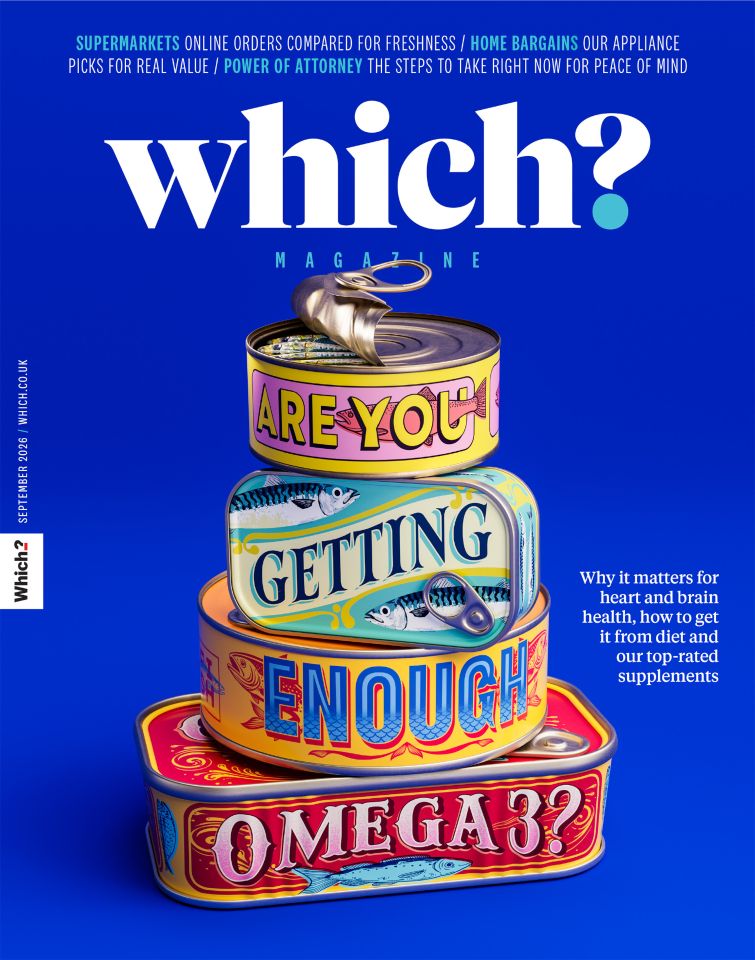
I won the professional editorial category, which was great because I won it for a 3D magazine cover, and I don't find many places that give 3D work a look-in really. It's not photography and it's not 2D hand drawn.
I won for the cover of Which? magazine. The whole Ozempic thing had just come out. It was an image of nested Russian dolls, with the last doll being the skinny one. That image did really well through a lot of industry awards.
In your earlier education, were you focused on getting into art direction?
I think at the age you normally do a BA, 18 or 19, you have no idea what you want to do. I just took my foundation at Bedford College, and I thought, “Well, I'll go and do illustration”. Then I took a BA in Illustration at Kingston Uni, and still had no idea what I wanted to do when I came out!
I lasted about a year being out of uni and then needed a job, so I thought, “I know, I'll be an art director.” Well actually, a graphic designer at first because you earn money that way. I bought a Mac and taught myself, then three years later ended up at the Financial Times as an art director.
What made you decide to study on the MA in Children’s Book Illustration?
I felt like I needed to get back to where I was supposed to be. I didn't really enjoy being a graphic designer; it was so rigid, a little bit more serious, and I just felt like I wasn’t supposed to be doing that - I was supposed to be an illustrator/image maker.
I actually applied for the MA really early on, about 7 years before I started, but I was getting married and couldn't afford the fees. So I deferred it for a year, then was about to have my daughter, and the magazine I was working on was a weekly, so I knew that again I couldn't join yet. I deferred again, and instead did the Picturebook Summer School to see if it was still something I wanted to do. I asked Martin Salisbury while I was on the course, “I did get a place on the MA, but it was seven years ago. Can I still come?” So yeah, there was a massive gap, but 7 years after first applying I began the course.
And why did you choose ARU?
Because it was the only local university offering an MA purely for children’s book illustration, not just an MA in illustration.
And I'd heard good things about it. There was actually someone at the Financial Times who I worked with that had attended it the year before and said it was great.
Also, the networking - everyone coming out of the course seemed to be doing well, so for networking purposes it's really good. Pam Smy and Martin were great to work with, and because it was part-time all the other students were mostly mature too. I'm still friends with a lot of them. We were all in a similar boat, so that was nice.
And Cambridge isn't too far away from where I lived, so it ticked all the boxes.
What inspired you to do illustration in the first place?
Gosh, I don't actually know because that's all I've ever done! I think I was one of those kids that just drew all the time. And it wasn't just drawing - we were constantly making stuff out of napkins or God knows what.
When I was at Kingston, I started out wanting to be a model maker. I made a set out of paper that was actually used on a BBC kids’ programme, so it wasn't necessarily just about illustration. I wanted to make something, but also photograph it and use in my illustrations. Even now, if I get the chance to make something for real as part of my job, I will do it. The children’s book illustration was mainly because of my kids at the time taking me down that line.
What’s the most valuable thing you took away from your MA?
I can't remember the name of the module, but there was one which was just tonal drawing - no lines just pure tone. And I'd never really looked at things like that before.
The modules were really good because they weren't necessarily specific to children's books. It was an all-round experience, so you came away with a better knowledge of the depth of things, or lighting for example. I can look at things now and know where the light source is coming from, and that’s important when I use my 3D software. I've got a much better understanding of how to set up lighting.
We also did a module called the Wordless Book, which was really good, like a puzzle where you had to figure out how words and pictures work together, and in my job now it's very similar. There’s a lot of puzzles going on in a magazine cover, really.
Which aspects of the course most helped your career development, and why?
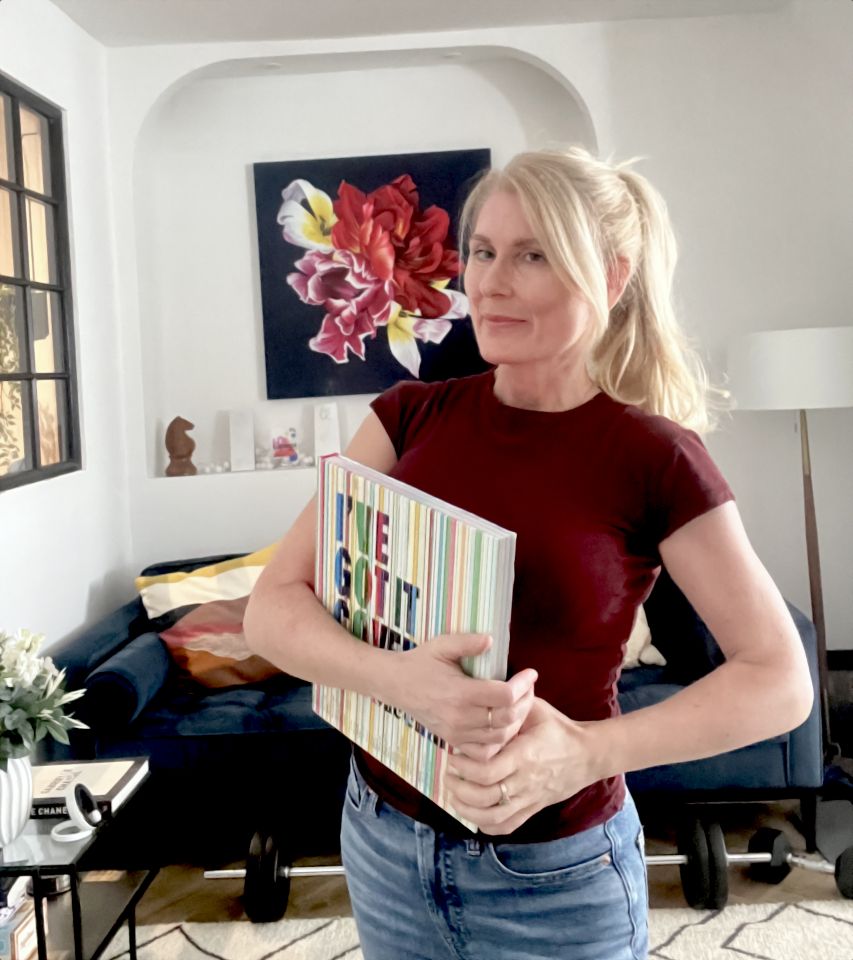
It just helped me a lot all-round. Nosy Crow found me from being at ARU, and I actually did a book for my final project that Paragon asked to publish. I’m not quite sure how they found me, but it might have been through Bologna Book Fair. So I came out with a published book while I was still on the course, and I don’t think I would have got that had I not been at ARU. So for the connections, it was amazing.
With magazine covers, they've got to be a quick turnaround. Sometimes I get a cover come in for the Economist and I'll have to supply it the next day. The ideas have to be thought up, created, go to print and come out that quickly, and on the MA you have to think quite fast too.
What do you see as your biggest achievement since graduating?
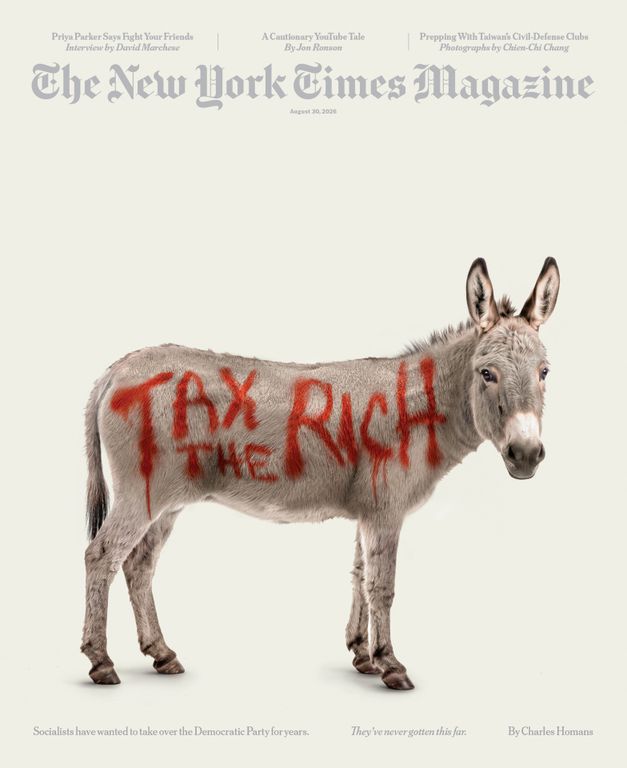
In my current career, I was shortlisted in this year’s D&AD Awards, I won a bronze cube at the ADC Awards (the Art Directors Club Awards), and the cover of my book about my own magazine covers won a Type Directors Club Awards too. I've got a good few communication art awards, a couple that have just come out this week, one for a New York Times cover and one for a Which? cover.
That’s my first New York Times cover - I said, when I get the New York Times cover, I can give up. I'm done. That's all I wanted! And this year I went to New York and managed to get time with their opinions team and also the Creative Director Gail Bichler.
I went back three weeks later to go to the SPD Awards, and talked to her again there, then finally got a commission with them. That's the one I've always wanted. And once you've got a New York Times cover, that's like an award in itself in my world, so I'm hoping I'll get some more. But that was really great. That's probably the biggest achievement in my career so far.
And from the course itself, it would be my published book Just being Ted, because I actually wrote that one. A good thing about the course is you getting to put your work in front of Nosy Crow and other publishers. They all said no at first, but gave me a positive feedback. I spent about two years rejigging it, then rejigging it even more, and the final version was an amalgamation of everything they all said, and five years after it was published. But it wouldn't have been the way it is had everybody not had a say in it. And it's still selling - I think it's out in 16 languages now.
What advice would you give to other students in your field?
Be proactive. You've got to pretend that you're amazing. I think you have to kind of blag your way through it. If you think you're great, I’ve found other people believe you. So you've just got to keep positive.
One thing people always say is “Just keep doing it. Keep pursuing it and keep doing it”. But I've also learned that you shouldn’t flog a dead horse. If my work isn't good, I kind of know it and I'll move on. I find a lot of people are working on something that they're so precious about, that they've got such a personal relationship with - but if you want to make it as an artist, to get paid and do this for business, you've got to realise that it might be time to move on, start again, or realise you’re maybe not suited to that style of illustration. Don't keep doing it. Move on!
What was your favourite thing about studying in Cambridge, and what have you learned about it that you didn’t know before?
It was a lovely place to come to. When you're working full time and you've got two small kids, and then you come to Cambridge once a week, it's like a bit of a holiday. It's a very calming feeling, except for the driving in! We used to go out at lunchtime and afterwards we'd just walk around. I feel like I know it quite well, so we must have walked around quite a bit.
And when I did the summer school I was allowed to stay in one of the houses behind the uni for the week, so that was lovely.
What projects are you currently working on, both at work and outside it?
I've got a deadline for the Sunday Times, which is a bag of ashes in a drawer, with a post-it note that says, “To do, scatter Dad's ashes” - which is bizarre as later this month I’m going to Spain to scatter my own Dad’s ashes. I thought “I've got to do that cover” because it's such a coincidence.
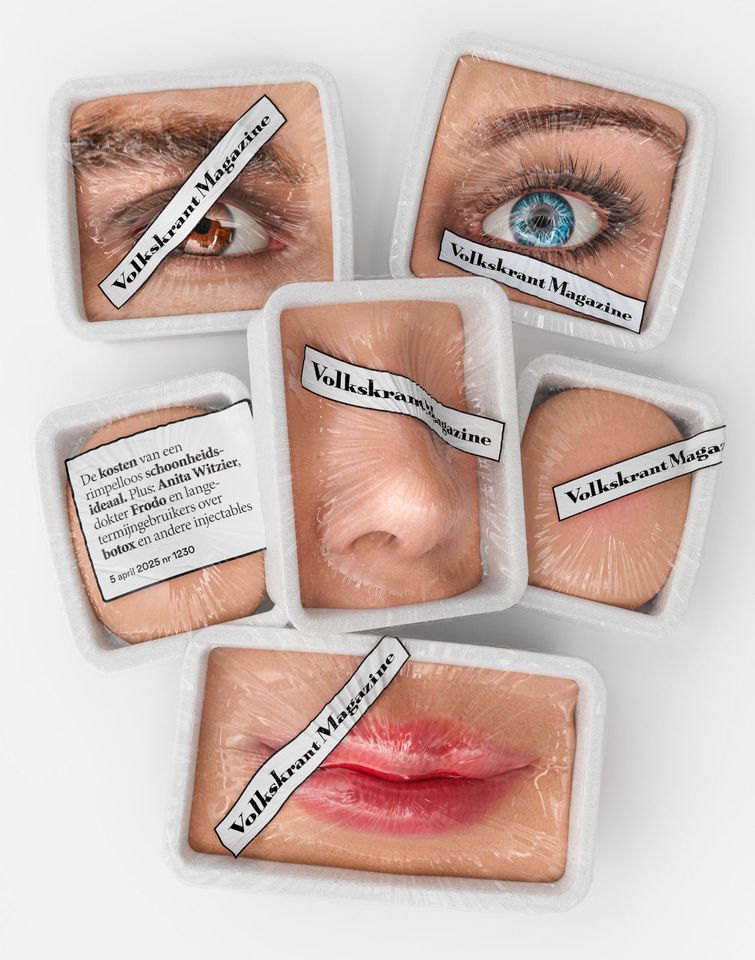
There’s also a cover for de Volkskrant, a Dutch national newspaper, and one for a German magazine called Manager Magazine. They do a lot of articles about companies that have gone bad. I've done a Bosch fridge with the logo falling off, I've done a Mercedes car with the logo bent and crumpled.
I'm also doing a book cover for Penguin Random House. I do quite a lot of book covers now, but they're all young adult books - and I seem to be pigeonholed as the person that does the bloodbath teen thing. So whenever I do a cover, nearly always there will be a knife, blood, and it's usually about some girl getting murdered at the prom. So it's a bit of a mixed bag!
Where now?
 External siteAsillo3D
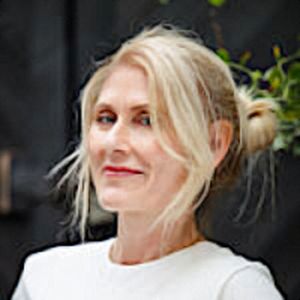
I’m Lisa Sheehan, a freelance 2D/3D illustrator based in Bedfordshire, just outside London.
 External siteLisa Sheehan 3D on Instagram
Artist 2D/3D image maker. ex AD @financialtimes, rep @_debutart, clients incl NYT, Guardian, WIRED.. 🏃🏻♀️runner. London, UK
 ARU websiteMA Children's Book Illustration
Follow in the footsteps of acclaimed children’s artists. Work with a dedicated support team of internationally-recognised illustrators to develop your own personal visual vocabulary and make connections in the children’s publishing industry.
 Our peopleShelley Jackson
Shelley Ann Jackson is an author, illustrator and designer of children’s books, and at ARU she is Associate Professor and Course Director for our MA Children’s Book Illustration.